
Band-aids

 New arrivals
Cut-to-size plaster to prevent chafing and blisters while running
Regular price € 3495Unit price /Not available New arrivals
Blister plaster for the forefoot for long runs, trails and ultras
Regular price € 1340Unit price /Not available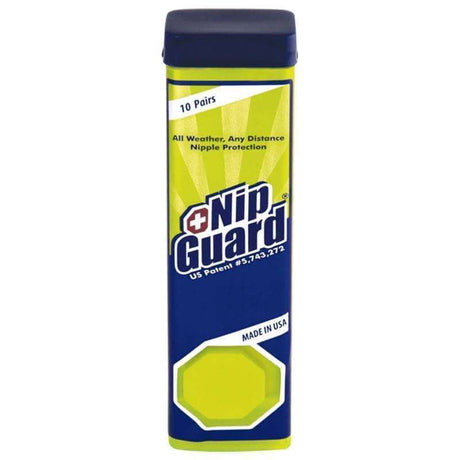

Protection against chafing in sensitive areas while walking
Regular price € 925Unit price /Not available
Care Plus | Blister Plasters Ultimate | Blister plasters
Regular price € 750Unit price /Not available

Protection against chafing in sensitive areas while walking
Regular price By € 925Unit price /Not available
Care Plus | Anti Blister Spray
Regular price € 595Unit price /Not available


Protection against chafing under sports bra and clothing
Regular price By € 1340Unit price /Not available

Protection against chafing in sensitive areas while walking
Regular price € 850Unit price /Not available
 Sold out
Complete protection against chafing and blisters while running
Regular price € 1050Unit price /Not available


