Trail running first aid kits: small in size, big in impact
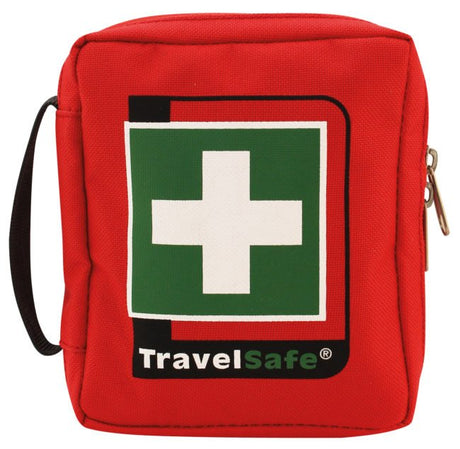
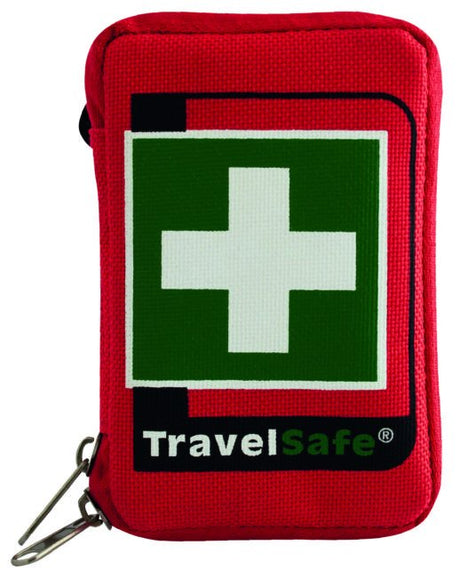
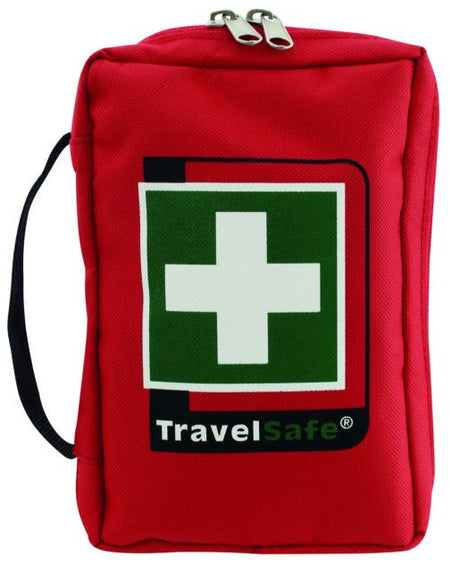
A trip, blister, or scrape can happen in an instant—especially on technical trails. With a well-stocked first aid kit, you can intervene immediately and prevent having to drop out. These kits have been specially selected for trail runners: compact, lightweight, and tailored to the most common injuries encountered along the way.
What should be in your first aid kit?
Unsure what you need? Focus on essentials that save your run:
- Blister plasters and tape to treat hotspots immediately
- Disinfectant wipes for quick wound cleaning
- Compresses and bandages for abrasions or cuts
- Optionally, an emergency blanket for longer or colder runs
Choose a kit that suits your distance and terrain. For short runs, a minimalist approach suffices; if you head into the mountains or run solo, you'll want to carry just a little more security.
Lightweight and smartly packed: no excuse to leave it at home
A common reason for not carrying a first aid kit is: “too heavy” or “takes up too much space”. Modern kits are actually designed for trail vests and waist bags. They fit into a small pocket without bouncing around and add hardly any weight. This way, you always have a backup with you, without compromising on comfort.
For whom is a first aid kit indispensable?
- Trail runners who run off-road and on technical terrain
- Long-distance runners and ultras where help is not immediately available
- Adventurous runners who train solo
- Everyone who prefers to keep walking rather than having to stop because of something small
Sound familiar? Then a first aid kit is not a luxury, but a smart standard in your equipment.
FAQ – choose quickly, without a doubt
How big should my first aid kit be?
As small as possible, but complete enough for your type of run. Minimalist for short loops, more extensive for long or remote routes.
Can I put together a kit myself?
Yes, but ready-made kits save time and are often more efficiently organized. Ideal if you want to be well prepared quickly.
What do I use for blisters while walking?
Blister plasters or sports tape work fastest. Apply at the first hotspot—prevention is better than cure.
Tip: Combine your first aid kit with a good trail vest and sufficient hydration for a complete, worry-free outfit.




 Sold out
 Sold out


